

Being told you need a root canal can feel unnerving, but modern root canal therapy is a reliable, well-established way to stop dental pain and preserve your natural tooth. Advances in instruments, imaging, and techniques make the procedure far more predictable and comfortable than many people expect.
Our goal is to help you make an informed decision about care and to guide you through each step with clarity and compassion. At the office of Greenville Smiles Dentistry, we emphasize gentle treatment, careful diagnosis, and restoration strategies that help a treated tooth function comfortably for years to come.
Keeping a natural tooth whenever possible supports chewing efficiency, helps maintain jawbone health, and preserves the natural contours of your smile. A root canal preserves the remaining tooth structure by removing damaged or infected internal tissues while leaving the outer tooth intact for a protective restoration.
When a tooth is extracted, the adjacent teeth can shift and the surrounding bone may gradually resorb, which can lead to more complex restorative needs down the road. Root canal therapy is a conservative way to stop infection and retain the tooth’s role in your bite.
Success rates for contemporary root canal treatment are high when care is performed under careful diagnosis and followed by a well-fitted crown or restoration. The long-term outcome depends on timely intervention, good oral hygiene, and proper restoration after the procedure.

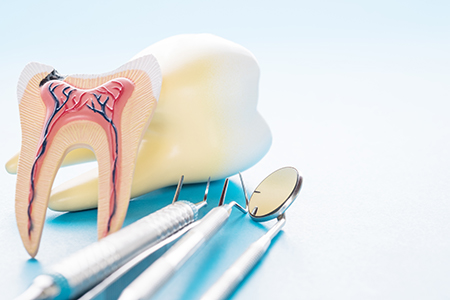
Inside each tooth is a soft core of connective tissue, blood vessels, and nerves called the dental pulp. When bacteria from deep decay, a crack, or trauma reach this pulp chamber, inflammation and infection can follow. That infection may cause persistent pain, swelling, and sensitivity to temperature.
Symptoms can vary. Some people experience sharp or throbbing pain that interferes with sleep or eating; others notice lingering sensitivity to hot or cold or a dull ache that gradually worsens. Occasionally an infected tooth causes little discomfort yet shows changes on an X-ray or a darkening of the tooth’s color.
Not every sensitive tooth requires a root canal, but certain signs—like severe, lingering pain, tooth discoloration after trauma, swelling, or pain on biting—warrant prompt evaluation. An accurate diagnosis often combines a clinical exam, vitality testing, and radiographic imaging to determine whether the pulp has been irreversibly damaged.
Delaying care for a tooth with pulp inflammation or infection increases the risk that the problem will spread. Infection at a tooth root can affect the surrounding bone and soft tissues, and in rare cases can contribute to systemic concerns. Treating a compromised tooth early typically leads to simpler, more predictable outcomes.
Timely root canal therapy can arrest infection, relieve pain, and prevent the need for extraction and more invasive replacements. In addition, restoring a treated tooth with a crown or similar restoration reduces the chance of fracture and helps the tooth return to normal function.
If diagnostic imaging shows early signs of periapical changes at the root tip, an endodontic approach can often resolve the problem without removing the tooth. Your dentist will explain the findings and the rationale for treatment so you can make a confident decision.

Root canal treatment focuses on removing inflamed or infected tissue from inside the tooth, disinfecting the canal spaces, and sealing them to prevent recontamination. The tooth is numbed thoroughly with local anesthesia so the procedure is comfortable; many patients find it no more unpleasant than a routine filling.
The process typically begins with access into the pulp chamber followed by careful cleaning and shaping of the canals using specialized instruments and irrigation solutions. In some cases a single visit is sufficient; other situations—such as complex anatomy or active infection—may require two visits to ensure the canals are fully disinfected.
After the internal spaces are prepared, the canals are filled with a biocompatible material and the opening is sealed. Because a tooth that has had root canal therapy can be more prone to fracture, it is usually recommended that the tooth be restored with a permanent crown or an appropriate restoration to protect the remaining structure.
For patients who experience anxiety, additional comfort measures are available. The focus remains on delivering precise, gentle care while minimizing discomfort and anxiety throughout the visit.
After treatment, it's common to experience mild soreness or tenderness for a few days as the tissues around the tooth heal. Over-the-counter pain relievers or prescribed medications can manage discomfort, and most patients return to normal activity quickly. Numbness from local anesthesia typically resolves within a couple of hours.
Keeping the treated tooth protected is crucial. Until a permanent crown or restoration is placed, the tooth may be more susceptible to fracture. Avoiding hard or sticky foods on the treated side and following your dentist’s instructions helps prevent complications during this interim period.
Good oral hygiene—regular brushing, flossing, and routine dental visits—supports healing and long-term success. If symptoms persist, worsen, or if you notice swelling or drainage, contact our office promptly so we can reassess and provide appropriate care.
Root canal therapy is a collaborative process between you and your dental care team: accurate diagnosis, skillful treatment, and timely restoration all contribute to durable outcomes. Choosing to save a natural tooth when feasible preserves function and reduces the need for more extensive future procedures.
Our practice uses modern techniques and thoughtful planning to deliver predictable care and to help you understand each step. Greenville Smiles Dentistry is committed to clear communication so you know what to expect before, during, and after treatment.
If you’re experiencing tooth pain, have noticed changes in the appearance of a tooth, or have concerns after dental trauma, prompt evaluation is the best way to protect your oral health. Contact us for more information or to arrange an evaluation with one of our providers.


Root canal therapy treats the soft tissue inside a tooth when that tissue becomes inflamed or infected. The procedure removes damaged pulp, thoroughly cleans and disinfects the canal spaces, and seals them to prevent reinfection. By eliminating the source of infection and preserving the outer tooth structure, a root canal allows the tooth to remain functional in the mouth.
Keeping a natural tooth helps maintain chewing efficiency and supports the surrounding jawbone and adjacent teeth. Extraction can lead to shifting teeth and bone loss that complicate future treatment, so preserving the tooth when feasible is often the most conservative choice. Modern techniques give a high likelihood of long-term success when treatment is combined with appropriate restoration.
Common signs that suggest pulp inflammation or infection include severe, persistent toothache, prolonged sensitivity to hot or cold, and pain when biting or chewing. Other indicators can be swelling of the gums, a pimple-like bump on the gum near the affected tooth, or a tooth that has darkened in color after trauma. Some infected teeth cause little discomfort yet show abnormalities on X-rays, so diagnostic imaging and clinical testing are important.
Not every tooth with sensitivity needs a root canal, so a careful exam is required to determine the cause of symptoms. Your dentist will use vitality testing, visual assessment, and radiographs to evaluate the pulp and surrounding bone. Prompt evaluation improves the chance of successful, less invasive treatment.
The procedure begins with thorough anesthesia to ensure patient comfort, followed by access into the pulp chamber and careful cleaning and shaping of the canal system using specialized instruments and irrigating solutions. The dentist disinfects the canals and then fills and seals them with a biocompatible material to prevent reinfection. In many cases the procedure is completed in a single visit, but complex anatomy or active infection may require two appointments to ensure full disinfection.
Contemporary imaging and instrument technology improve accuracy and predictability throughout the process, and additional comfort measures are available for anxious patients. After the internal work is complete, the tooth is temporarily restored until a permanent restoration is placed. Restoring the tooth promptly helps protect it from fracture and restores normal function.
Most patients report that modern root canal treatment causes little more discomfort than a routine filling because the tooth and surrounding tissues are comfortably numbed before treatment begins. Pain associated with the tooth is usually from the infection prior to treatment, and patients commonly experience significant relief after the source of infection is removed. Local anesthesia and gentle technique minimize discomfort during the procedure for most people.
Some mild soreness or tenderness in the days following treatment is normal as surrounding tissues heal, and this is typically managed with over-the-counter or prescribed analgesics. If pain persists, worsens, or is accompanied by swelling, contacting the dental team promptly allows for reassessment and any necessary follow-up care. Your dentist will discuss available comfort options and aftercare instructions before you leave the office.
Recovery after root canal therapy usually involves a short period of mild soreness or tenderness that diminishes over a few days as the tissues heal. Numbness from local anesthesia resolves within a few hours, and most patients can return to normal activity the same day. Following the dentist’s instructions about oral hygiene and avoiding hard or sticky foods on the treated side helps protect the tooth while it is temporarily restored.
It is important to return for placement of the permanent crown or final restoration to reduce the risk of fracture and ensure long-term function. Routine dental checkups and good daily hygiene support the longevity of the treated tooth. If symptoms such as persistent pain, swelling, or drainage develop, contact the office for prompt evaluation.
A tooth that has had root canal therapy can become more brittle over time because the internal tissue has been removed and the tooth structure may be weakened. A well-fitting crown or other appropriate restoration protects the remaining tooth, distributes chewing forces, and reduces the chance of fracture. Restoration also seals the tooth against bacterial re-entry and restores normal form and function in the bite.
The timing and type of restoration depend on the tooth’s location, remaining structure, and functional demands, so your dentist will recommend the best option for long-term success. Prompt restoration after root canal treatment improves outcomes and reduces the likelihood of future complications. Regular dental visits help ensure the restoration remains sound and the treated tooth remains healthy.
Alternatives to root canal therapy include extraction of the affected tooth and replacement with an implant, bridge, or removable prosthesis, or in certain limited cases monitoring the tooth if symptoms are minimal and imaging shows no progressive disease. Extraction eliminates the infected tooth but introduces other considerations such as alteration of bite, potential bone loss, and the need for restorative replacement to maintain function. Monitoring is only appropriate when conservative, evidence-based criteria are met and the patient understands the risks of delayed treatment.
Choosing the best option involves evaluating the tooth’s restorability, overall oral health, functional needs, and patient preferences. Your dentist will explain the likely outcomes, benefits, and limitations of each approach without pressure, so you can make an informed decision. When preservation of the natural tooth is feasible, root canal therapy is often the most conservative way to resolve infection and retain function.
Seek prompt dental care if you experience severe or increasing tooth pain, swelling of the face or gums, fever, a persistent bad taste or drainage from a tooth, or any sudden change in the appearance or color of a tooth. These signs can indicate advancing infection that may spread to surrounding tissues if not addressed. Early evaluation allows for timely diagnosis and treatment that can avoid more extensive procedures.
If you are in acute pain or notice rapid swelling, contact your dental office for urgent assessment and guidance, and if you experience difficulty breathing or swallowing seek immediate medical attention. For nonemergent concerns, schedule an appointment so your dentist can perform appropriate testing and imaging and recommend the best course of care. Prompt communication with your dental team supports predictable, less invasive treatment.
Root canal therapy has a high success rate when performed with careful diagnosis, thorough cleaning and sealing of the canals, and timely restoration of the tooth. Risks include persistent or recurrent infection, instrument separation, or incomplete cleaning in teeth with complex anatomy, but many of these issues can be managed with revision treatment or endodontic referral when necessary. The likelihood of long-term success improves with good oral hygiene and regular follow-up care.
Complications are relatively uncommon, and most treated teeth remain functional for many years when properly restored and maintained. Your dentist will explain the specific prognosis for your tooth based on clinical findings, radiographs, and the tooth’s structural condition. If retreatment or surgical endodontic procedures are indicated, your dentist will discuss those options and the expected outcomes.
Your dentist may refer you to an endodontist when a tooth has complex or unusual root anatomy, persistent infection after initial treatment, or when advanced surgical procedures such as an apicoectomy are likely needed. Endodontists specialize in root canal therapy and have advanced training, microscopes, and techniques that help manage challenging cases and improve the chance of a favorable outcome. A referral ensures you receive care tailored to the complexity of the situation.
The office of Greenville Smiles Dentistry coordinates referrals when specialist care offers the best path to preserve the tooth and restore oral health. If a referral is recommended, your dentist will explain the reason, what to expect from the specialist visit, and how follow-up care will be handled. Clear communication between your dentist, the endodontist, and you supports a smooth treatment experience and durable results.

Have a question, or ready to schedule your next visit?
Our friendly team at Greenville Smiles Dentistry is here to help. Whether you'd like to book an appointment, ask about a treatment, or find out more about our practice, we're just a call, email, or message away. Reach out today, and let's get you on the schedule.

Back to top