

At Greenville Smiles Dentistry, our priority is helping you maintain a stable, comfortable mouth for years to come. While preserving natural teeth is always the first goal, there are situations where extraction is the most responsible option to prevent pain, infection, or further damage to surrounding teeth and tissues.
Decisions about extracting a tooth are never made lightly. We evaluate each case on its own merits, considering your overall health, dental history, and long-term goals for function and appearance. When removal is recommended, our team will explain why it’s necessary and what to expect at every stage.
Understanding the common reasons extractions are needed can help you feel more prepared and informed. Below are the typical situations in which removing a tooth provides a clearer path to improving oral health and preventing future problems.
Primary teeth that are retained or severely damaged
Sometimes a baby tooth does not fall out when it should. If the primary tooth remains fused to the bone or dangerously decayed, it can block the normal eruption of the permanent tooth and affect future alignment. In those cases, timely removal helps guide normal development of your child's smile.
Permanent teeth with extensive decay or structural loss
When decay progresses beyond repair and there isn't enough healthy structure to support a crown or filling, extraction may be recommended to eliminate infection and protect adjacent teeth. Removing a non-restorable tooth can prevent the spread of infection and reduce the risk of more complex problems.
Teeth that are fractured or cracked beyond repair
Severe fractures that extend into the root or split a tooth can make restoration impossible. In these scenarios extraction removes a source of pain and potential infection while allowing us to plan appropriate replacements that restore function and appearance.
Advanced periodontal disease
When gum disease has destroyed the supporting bone and soft tissues, teeth can become loose and painful. Extracting hopeless teeth can improve oral health by removing sources of chronic inflammation and creating a healthier environment for remaining teeth.
Impacted or problematic wisdom teeth
Third molars often lack adequate space to erupt properly and can cause crowding, decay, or recurrent infections. Removing troublesome wisdom teeth before they create complications is a common preventive step for many young adults.
Extractions to help orthodontic treatment
In some orthodontic plans, removing select teeth creates the room needed to align the bite predictably. When it contributes to a healthier, more functional final result, extraction can be an important part of comprehensive treatment.

Preparation begins with a careful review of your medical and dental history. We’ll ask about medications, chronic conditions, and any previous reactions to anesthesia. This helps us choose the safest anesthesia and identify any extra precautions, such as antibiotic coverage or coordination with your physician.
Imaging plays a key role in planning. Digital radiographs allow us to see root shape, bone levels, and the position of adjacent structures so we can choose the least invasive technique. We’ll explain whether your case is likely to be a straightforward extraction or require a surgical approach, and discuss sedation options for comfort and anxiety control.
Before your procedure, we’ll go over pre-operative instructions tailored to your health. These may include guidelines about eating, taking or pausing certain medications, and arranging transportation if sedation is planned. Clear communication helps the day run smoothly and supports a predictable recovery.
Most extractions are performed under local anesthesia so you won’t feel pain in the area being treated. For routine, visible teeth the procedure is typically quick: after the area is numb, we loosen the tooth, remove it, and place gauze to control bleeding. Our focus is on gentle technique and minimizing trauma to surrounding tissues.
Some situations require a surgical approach — for example, impacted teeth, roots with unusual shapes, or teeth fused to the jawbone. Surgical extractions involve a small incision and sometimes removal of a bit of bone to access the tooth. These procedures are still performed with careful anesthetic control, and we discuss all options ahead of time, including referral to a specialist if it’s the most appropriate path.
Comfort measures are an important part of care. If you are anxious or your case is complex, we’ll review sedation alternatives that make the experience more manageable. Whatever the approach, our team works to keep you informed, relaxed, and safe throughout the visit.
A simple extraction refers to removing a tooth that is fully visible in the mouth and has predictable root anatomy. The process involves numbing the area, gently loosening the tooth, and extracting it with forceps. Recovery is often quicker and uncomplicated when performed with minimal tissue disturbance.
Surgical extractions are used when a tooth is broken at the gum line, impacted, or when roots are curved or fused. These require creating a small opening in the gum and sometimes removing a small amount of bone before extracting the fragments. Because they involve more manipulation, surgical procedures can have a slightly longer and more involved recovery plan.

Recovery is a process, not an instant switch. In the first 24–48 hours it’s important to protect the developing clot at the extraction site, manage swelling, and follow medication guidance. Rest, limited activity, and simple home care measures make a big difference in how quickly you feel back to normal.
Typical home care includes gently maintaining pressure with gauze until bleeding subsides, avoiding forceful rinsing or spitting for the first day, and steering clear of straws and smoking, which can dislodge the clot and lead to complications. Cold packs applied intermittently on the face help control swelling for the first 24 hours; after that, warm salt-water rinses can soothe the area as healing progresses.
If you are prescribed antibiotics or pain medication, take them exactly as directed. Most patients can transition to soft foods and increase activity gradually over several days. We’ll schedule any necessary follow-up to check healing and remove sutures if they were placed.
Some tenderness, slight swelling, and mild bleeding are normal in the early days. However, if you experience worsening pain after a couple of days, heavy bleeding that does not slow with pressure, persistent or spreading swelling, a fever, or any unusual symptoms, contact our office right away. Prompt attention prevents minor issues from becoming major ones.
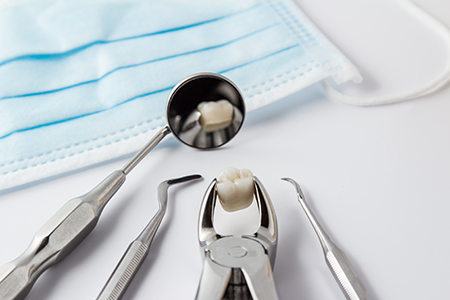
Losing a tooth does not have to mean losing function or confidence. Once healing is underway, we’ll discuss appropriate replacement options when indicated, including bridges, dentures, and dental implants. Each choice has different benefits depending on the location of the tooth, your oral health, and your personal goals.
When implants are appropriate, they offer a durable, natural-feeling replacement that preserves surrounding bone and supports long-term oral health. Fixed bridges and removable dentures remain excellent solutions in many situations; we’ll review what each option would mean for appearance, chewing ability, and maintenance.
Our care extends beyond the procedure itself: we prioritize individualized treatment plans and coordinate with specialists if your situation requires surgical referral or advanced prosthetic work. The goal is a predictable path from extraction to restored comfort and function.
We combine careful diagnosis, modern imaging, and a focus on patient comfort to deliver extractions that are efficient and considerate of your needs. Greenville Smiles Dentistry emphasizes clear communication so you know the reasons for treatment, the steps involved, and how to support a smooth recovery.
Every member of our team is committed to respectful, evidence-based care. If an extraction is necessary, you’ll receive a personalized plan that addresses pain control, healing, and long-term restoration — all with the aim of protecting your overall oral health.
To learn more about extractions or to discuss whether removal is the right option for you, please contact us for more information. We’re here to answer your questions and help you make informed decisions about your dental care.


Teeth are typically removed because of severe decay, extensive fracture, advanced periodontal disease, problematic wisdom teeth, or because extraction supports orthodontic treatment. When a tooth is non-restorable or poses a risk of spreading infection, extraction becomes the safest option to protect neighboring teeth and oral tissues. Retained primary teeth that block eruption of permanent teeth and teeth that are fused to the bone are other common reasons for removal.
Before proceeding, dentists evaluate whether alternatives such as root canal therapy, crowns, or periodontal treatment can save the tooth. Extraction is recommended only when those options cannot reliably restore function or eliminate infection. Understanding the specific cause helps your dental team plan the most appropriate treatment and any future replacement options.
Decisions about extraction begin with a clinical exam, diagnostic imaging, and a review of medical and dental history. Digital radiographs or CBCT scans show root shape, bone levels, and the relationship to adjacent structures, which are essential for planning. Your dentist will also consider symptoms such as pain, swelling, mobility, recurrent infection, and how the tooth affects overall bite and oral health.
The consultation includes a discussion of alternatives, risks, and expected outcomes so patients can make an informed choice. If the case is complex, the practice may recommend referral to an oral surgeon for evaluation. Treatment planning also accounts for medical conditions, current medications, and any need for antibiotic or anesthetic precautions.
A simple extraction is performed on a tooth that is fully visible in the mouth and has predictable root anatomy; it is completed using local anesthesia, elevators, and forceps. Surgical extractions are required when a tooth is broken at the gum line, impacted, or has curved or fused roots that cannot be removed intact. Surgical removal may involve a small incision, removal of a bit of bone, and sutures to close the site.
Because a surgical extraction involves more manipulation of tissues, the procedure can take longer and recovery may be more involved than a simple extraction. Your dentist will explain which technique is appropriate and why, and will discuss sedation or referral options if the case warrants specialist care. Clear expectations about healing time and follow-up help patients prepare for a predictable recovery.
Preparation begins with a thorough review of your medical and dental history, current medications, and any previous reactions to anesthesia. Your dentist will provide pre-operative instructions that may include fasting guidelines if you plan to use sedation, whether to take or pause certain medications, and arrangements for transportation after the visit. Imaging and treatment planning are completed ahead of time so the team knows whether the extraction will be straightforward or surgical.
On the day of the procedure it helps to wear comfortable clothing and to arrive with a responsible adult if sedation is planned. At Greenville Smiles Dentistry we review all instructions with patients and answer questions about what to expect during and after the procedure. Clear communication reduces anxiety and supports a smoother experience from start to finish.
Most extractions are performed using local anesthesia to numb the treatment area so patients do not feel pain during the procedure. For patients with dental anxiety or for more complex surgical cases, options may include nitrous oxide (laughing gas), oral sedatives, or intravenous sedation depending on the patient’s medical status and the level of comfort required. General anesthesia is reserved for select situations and is provided in an appropriate setting when indicated.
Your dental team will review available options and recommend the safest approach based on your health history and the complexity of the extraction. Vital signs are monitored during sedated procedures to ensure safety and comfort. Pre-procedure instructions will explain fasting and post-sedation transport requirements when applicable.
In the first 24 to 48 hours you can expect mild to moderate swelling, some soreness, and light bleeding that should subside with proper care. Protecting the developing blood clot is essential, so patients are advised to avoid forceful rinsing, spitting, smoking, and using straws during the initial period. Rest, limited physical activity, and intermittent cold compresses on the face help control swelling and promote comfort.
Most patients begin soft foods and increased activity over several days as healing progresses, and sutures are removed or monitored if placed. Follow-up appointments allow the dentist to confirm healing and address any concerns. If healing seems delayed or symptoms worsen, contacting the office promptly ensures timely management.
To manage bleeding, apply gentle pressure with gauze over the extraction site and replace it as directed until bleeding slows. Pain is usually controlled with over-the-counter or prescribed analgesics taken as instructed, and cold packs used intermittently for the first 24 hours reduce swelling. After the first day, warm salt-water rinses can help soothe the area and promote gentle cleansing once initial healing has begun.
Avoid smoking, vigorous rinsing, and hard or crunchy foods that could dislodge the clot and lead to complications. If antibiotics are prescribed, complete the full course as directed to reduce the risk of infection. Contact the dental team if bleeding does not slow, pain intensifies after a couple of days, or you notice signs of infection such as fever or worsening swelling.
You should contact the office if you experience heavy or prolonged bleeding that does not respond to pressure, severe pain that gets worse after 48 hours, fever, or rapidly increasing swelling. Other reasons to call include persistent numbness, a bad taste or odor that suggests infection, or any reaction to prescribed medications. Timely communication helps the team address complications early and avoid more significant problems.
Dry socket is a common post-extraction condition that causes aching pain and exposed bone and often appears a few days after the procedure; if you suspect this, reach out right away for evaluation and treatment. For existing patients you can call (864) 244-7135 to report urgent concerns or arrange a follow-up appointment. If a problem is severe or accompanied by high fever or spreading facial swelling, seek emergency care promptly.
Replacement options include dental implants, fixed bridges, and removable dentures, each with different benefits depending on the tooth’s location, bone volume, and your oral health goals. Dental implants provide a durable, fixed solution that helps preserve jawbone and feels most similar to a natural tooth. Bridges and dentures remain reliable solutions when implants are not the best option due to anatomy or medical considerations.
Timing for replacement varies; some patients wait for full healing while others pursue early implant placement with or without bone grafting to preserve volume. Your dentist will review the pros and cons of each approach, explain how healing and bone preservation affect long-term outcomes, and recommend a plan that fits your functional and aesthetic needs.
The practice emphasizes careful diagnosis, modern imaging, and individualized planning to reduce risk and improve outcomes for each patient. We use digital radiographs and CBCT when needed to visualize root anatomy and critical structures, and we tailor anesthetic and sedation choices to a patient’s health and anxiety level. Sterile technique, appropriate pain control, and clear post-operative instructions support a predictable recovery.
Every patient receives a personalized treatment plan that outlines alternatives, expected recovery, and follow-up care to restore oral health efficiently and respectfully. Greenville Smiles Dentistry coordinates with specialists when a case requires advanced surgical or prosthetic input, ensuring patients receive the right level of care for safe, comfortable results.

Have a question, or ready to schedule your next visit?
Our friendly team at Greenville Smiles Dentistry is here to help. Whether you'd like to book an appointment, ask about a treatment, or find out more about our practice, we're just a call, email, or message away. Reach out today, and let's get you on the schedule.

Back to top