

Small areas of decay can quickly become larger problems if they’re left untreated. A dental filling restores the tooth’s shape and function while sealing off the space where bacteria can thrive. Early restoration preserves more of your natural tooth and helps prevent the need for more extensive treatment down the road, such as crowns or root canals.
Fillings are used not only to repair cavities but also to restore teeth that have been chipped, worn by grinding, or damaged by minor trauma. The goal is to return the tooth to a stable, pain-free state so you can bite, chew, and speak normally. Restorative work that respects the tooth’s anatomy also supports long-term oral health by maintaining proper alignment and contact with neighboring teeth.
Modern restorative dentistry aims to be conservative: remove only the unhealthy material and strengthen what remains. That approach reduces future complications and maintains the natural appearance of your smile. Your dentist will evaluate the size and location of the lesion and recommend the filling material that best balances durability and esthetics for that specific tooth.
When a filling is recommended, your dental team will explain the reasons for treatment and discuss any options that suit your needs. We focus on clear, straightforward explanations so you can make an informed decision about restorative care.
Tooth-colored (composite) materials have come a long way from early resin formulas. Contemporary composites combine resin with durable particles that provide strength and a natural-looking surface. They are shaded to match surrounding teeth, which makes them ideal for visible areas of the mouth where appearance matters.
Beyond esthetics, composites bond to the tooth structure. This adhesive quality can actually help reinforce the tooth and reduce the amount of healthy structure that must be removed during preparation. The result is a more conservative restoration that preserves tooth integrity while creating a tight seal against bacteria.
Composites are also versatile: they can be used for small repairs, larger restorations in some situations, and cosmetic improvements such as reshaping a worn edge or closing minor gaps. Your dentist will consider bite forces, the tooth’s location, and your oral habits when recommending the best material.
For patients seeking a natural appearance without metal, tooth-colored fillings offer a reliable balance of form and function. In addition, they are free of mercury and compatible with contemporary restorative protocols.

A typical filling visit starts with an exam and, if needed, a quick digital X-ray to assess the extent of decay. Once the treatment area is identified, local anesthesia is applied so the procedure is comfortable. Modern numbing techniques are efficient and help most patients remain relaxed throughout the appointment.
After anesthesia takes effect, the dentist removes the decayed or damaged tooth material and cleans the area to prevent bacterial contamination. With composite restorations, the surface is prepared to promote adhesion, and the material is applied in thin layers. Each layer is shaped and hardened using a special light, allowing fine control over anatomy and contact points.
After the final layer is cured, the restoration is polished and adjusted to ensure a smooth surface and a comfortable bite. Your dentist will have you gently close and chew to verify the fit and make any minor refinements. The entire procedure is commonly completed in a single visit for most routine cavities.
We place emphasis on gentle technique and clear communication during the appointment. If you have questions at any step — about anesthesia, isolation methods, or how the material is matched to your tooth — your care team will take time to explain the process and next steps.
Feeling nervous about dental treatment is common, and modern dental practices have multiple strategies to make care more comfortable. Simple accommodations like effective numbing, calming chair-side explanations, and short breaks can significantly reduce anxiety for many patients. The goal is to create a predictable, low-stress experience from start to finish.
For those who want additional help relaxing, sedation dentistry options are available and can be discussed during your consultation. These approaches range from mild oral sedatives to monitored techniques, each chosen based on medical history, treatment complexity, and patient preference. Safety and monitoring are always prioritized when sedation is used.
Beyond sedation, infection-control protocols, sterilization standards, and careful material selection contribute to a safe treatment environment. If you have specific medical concerns, medication sensitivities, or a history of difficult dental experiences, share these details so your provider can tailor the appointment to your needs.
Open communication is the single most important element in creating a comfortable visit. When patients feel heard and informed, they are more relaxed and engaged in their care, which improves outcomes and long-term oral health.
Once your local anesthesia wears off, it’s normal to notice temporary sensitivity to pressure or temperature. This typically eases over a few days as the tooth settles. Avoid very hard or sticky foods for the first 24 hours if the restoration feels tender; if you experience prolonged pain or a noticeable change in bite, contact the office so the restoration can be evaluated.
Daily home care remains the foundation of long-term success. Brushing twice a day with fluoride toothpaste, flossing daily, and keeping regular dental checkups help protect both the filled tooth and the rest of your mouth. Routine exams let your dentist monitor the restoration for wear, marginal integrity, or early signs of new decay.
Restorations can last many years with diligent care, but no material is permanent. Factors such as bite forces, tooth position, oral hygiene, and diet all influence longevity. If a filling shows wear or the tooth develops a new issue, prompt attention preserves more tooth structure and simplifies future treatment.
Small adjustments or repairs are routine and can often be managed conservatively. Your dental team will recommend a maintenance plan tailored to your situation and will schedule periodic checks to ensure your restorations continue to perform well.

Our priority is restoring teeth in a way that looks natural, functions reliably, and supports your overall oral health. If you have questions about restorative options or would like to discuss the best approach for a particular tooth, our team is ready to help.
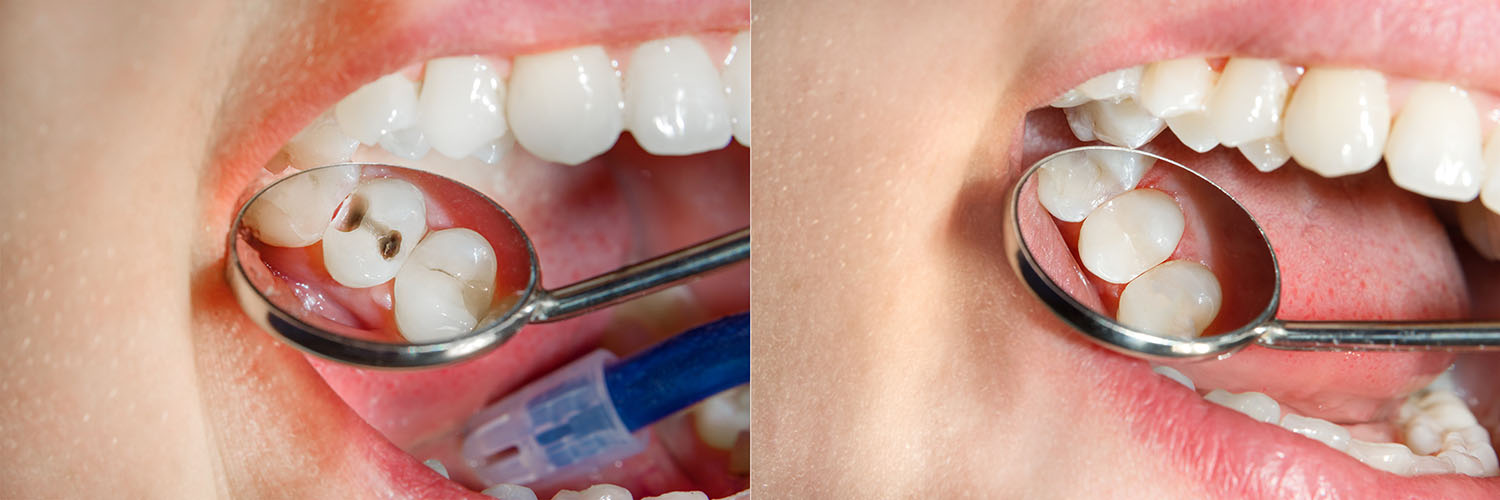
At Greenville Smiles Dentistry, we focus on conservative, well-executed restorations that keep your smile healthy and comfortable. To learn more about filling materials, appointment details, or comfort options, please contact us for more information.


A dental filling is a restorative material used to repair a tooth that has been damaged by decay, minor fracture, or wear. The filling restores the tooth's shape and function while sealing off spaces where bacteria can collect. Early restoration helps preserve more natural tooth structure and reduces the likelihood of more extensive treatment later.
Fillings also support proper bite and contact with neighboring teeth, which contributes to long-term oral health and function. When decay is removed and the tooth is restored promptly, the risk of pain and infection is lowered. Your dentist will explain the diagnosis and why a filling is the appropriate conservative option for the tooth in question.
Common filling materials include tooth-colored composite resins, glass ionomer materials, ceramic inlays or onlays, and metal alloys such as amalgam or gold. Each material has different strengths: composites and ceramics offer superior esthetics, glass ionomers can release fluoride, and metal alloys may be selected for their durability in certain situations. Your dentist will review material properties and how they match the needs of the specific tooth.
The choice is based on factors such as the size and location of the lesion, bite forces, esthetic priorities, and the amount of remaining tooth structure. For visible front teeth or small posterior restorations, composites are often preferred for their natural appearance and adhesive qualities. When durability is the primary concern in a heavily loaded molar, other materials may be considered and explained.
Tooth-colored composite fillings blend with natural enamel and are shaded to match surrounding teeth, making them an excellent option for visible areas of the mouth. Composites bond to the tooth structure, which allows for more conservative removal of healthy material and can help strengthen the remaining tooth. The adhesive bond also helps create a good seal that reduces the risk of recurrent decay at the margin.
Composites are versatile and can be shaped to restore anatomy and contact points, which helps maintain proper function and comfort. They are free of mercury and compatible with modern restorative protocols. Your dentist will evaluate the tooth's function and appearance goals when recommending composite as the preferred material.
A filling appointment generally begins with an exam and, if needed, a digital X-ray to assess the extent of decay and the tooth's condition. After local anesthesia is administered to ensure comfort, the dentist removes decayed or damaged material and prepares the surface to accept the restorative material. For composite fillings, the material is applied in thin layers and cured with a special light, allowing precise control over anatomy and contact points.
Once the final layer is in place, the restoration is shaped, polished, and adjusted so your bite feels comfortable and natural. The dentist will have you gently close and chew to verify the fit, making minor refinements as needed. Most routine cavities can be completed in a single visit using these techniques and infection-control protocols.
Most patients experience little or no pain during a filling because effective local anesthesia numbs the treatment area before work begins. Modern numbing techniques and gentle administration help keep the appointment comfortable, and short breaks or clear explanations during the procedure often reduce anxiety for many people. If you have a history of dental fear, discussing this with the team ahead of time allows them to tailor the approach and provide additional reassurance.
For patients who need extra help relaxing, sedation options can be discussed during the consultation and chosen based on medical history and treatment complexity. The office environment and infection-control practices are designed to be safe and predictable for all patients. Open communication about sensations, medical concerns, or previous dental experiences helps your provider make the visit as calm and comfortable as possible at Greenville Smiles.
It is normal to experience mild sensitivity to pressure or temperature for a few days after a filling as the tooth settles, and this typically resolves on its own. To protect the new restoration, avoid very hard or sticky foods for the first 24 hours if the area feels tender, and return to your regular brushing and flossing routine to keep the mouth clean. If you notice prolonged pain, sharp sensitivity, or a change in your bite, contact the office so the restoration can be evaluated and adjusted if necessary.
Long-term success depends on good daily oral hygiene and routine dental checkups, which allow the dentist to monitor restorations for wear, marginal breakdown, or new decay. Small repairs or adjustments are common and can often be performed conservatively. Your dental team will recommend a maintenance schedule and provide specific care tips tailored to your restorations and oral health needs.
Fillings can last many years, but no material is permanent; longevity depends on factors such as the filling material, the size and location of the restoration, and your bite forces. Habits like clenching, grinding, or chewing very hard foods can accelerate wear, and poor oral hygiene increases the risk of recurrent decay around the filling. Regular dental exams allow early detection of wear or marginal gaps so problems can be addressed before they worsen.
If a filling shows significant wear, fracture, or recurrent decay, your dentist will recommend the appropriate next steps, which may include repair, replacement, or a more extensive restoration when necessary. Timely attention tends to preserve more natural tooth structure and simplifies future care. Discuss your individual risk factors with your dentist so a tailored plan for monitoring and maintenance can be put in place.
A filling is generally appropriate when decay or damage is limited and enough healthy tooth structure remains to support the restoration. A crown may be recommended when a tooth has lost substantial structure from decay, fractures, or large existing restorations, because a crown covers and protects the entire visible portion of the tooth. Root canal therapy becomes necessary when decay or trauma has infected the tooth's pulp, and it is often followed by a crown to restore strength and function.
Your dentist will evaluate the extent of structural loss, the health of the nerve, and the long-term prognosis to determine whether a filling, inlay/onlay, crown, or root canal is the most conservative and predictable solution. The goal is always to preserve natural tooth structure while restoring comfort and function. A clear discussion of options, benefits, and expected outcomes will guide the treatment decision.
Contemporary tooth-colored composite materials are free of mercury and are widely used for their esthetics and adhesive properties. Amalgam fillings, which have been used for decades, contain a metal alloy that includes elemental mercury; however, many patients and clinicians now prefer mercury-free alternatives for visible restorations. If you have specific concerns about material safety, allergies, or systemic health, discuss them with your dentist so material selection can be tailored to your needs.
Safety also involves proper technique, infection control, and appropriate follow-up care, all of which reduce the risk of complications. Your provider can explain the advantages and limitations of each material and recommend an approach that balances longevity, appearance, and overall oral health. Open communication ensures the chosen restoration aligns with your clinical needs and personal preferences.
You can schedule an evaluation by calling the practice at (864) 244-7135 or by visiting the office at 140 Mall Connector Rd, Greenville, SC 29607 during regular business hours. The front office can help set an appointment, confirm any necessary digital X-rays, and review comfort options so your visit is organized and efficient. If you have specific concerns such as dental anxiety or a history of difficult experiences, mention those when you call so the team can prepare appropriate accommodations.
At the evaluation, the dentist will perform an exam, take any needed radiographs, and explain the diagnosis and recommended restorative options. You will be given clear information about the procedure steps, anesthesia or sedation options if appropriate, and what to expect for aftercare. Bringing questions to the appointment helps ensure the plan aligns with your goals for function and appearance.

Have a question, or ready to schedule your next visit?
Our friendly team at Greenville Smiles Dentistry is here to help. Whether you'd like to book an appointment, ask about a treatment, or find out more about our practice, we're just a call, email, or message away. Reach out today, and let's get you on the schedule.

Back to top