

The short video above provides a visual introduction to how chairside CAD/CAM systems streamline restorative care. Watching the workflow—from digital scanning to on-site milling—helps patients understand why modern ceramic restorations can be completed in one visit without the need for temporary crowns or multiple appointments.
Beyond speed, the footage highlights procedural steps that support predictable outcomes: a careful tooth preparation, a detailed digital scan, design adjustments on-screen, and a controlled milling and glazing process. Each stage is intended to ensure the restoration fits accurately and matches surrounding teeth in shape and contour.
For many people, seeing the process reduces uncertainty. If you prefer a brief walkthrough before your visit, the demonstration illustrates what to expect at a practical level while emphasizing the clinical controls that help produce comfortable, well-fitting restorations.

With CEREC technology, the traditional multi-appointment crown process is condensed into a single, efficient visit. After preparing the tooth, your clinician captures a detailed three-dimensional scan instead of taking an impression with trays and putty. That digital model becomes the foundation for designing a restoration that reflects your bite, occlusion, and esthetic goals.
Once the design is finalized, the data is sent to a compact chairside milling unit that sculpts the restoration from a solid ceramic block. This localized milling enables the clinician to inspect and adjust fit and contour immediately, which reduces the need for remakes and shortens overall treatment time.
Because the restoration is crafted and finished in-office, you leave with a permanent ceramic crown, inlay, or onlay that has been color-matched and polished for a natural appearance. The one-visit approach also limits the time you spend in temporary restorations and streamlines follow-up care.
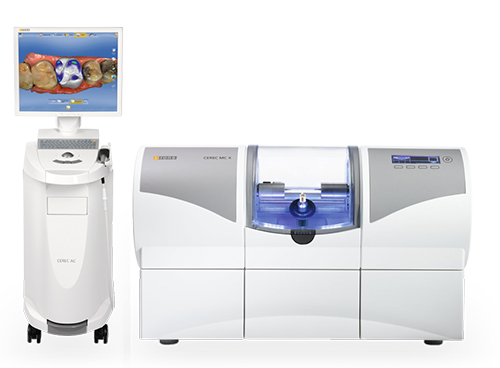
CEREC relies on CAD/CAM workflows—computer-aided design and computer-aided manufacturing—to replace analogue laboratory steps with precision digital processes. The intraoral scanner captures hundreds of images per second, generating an accurate 3D model that the dentist refines in specialized software. This lets clinicians evaluate margins, contacts, and occlusion before any material is milled.
The milling machine carves the restoration from a high-strength ceramic block chosen for its optical and mechanical properties. Milling tolerances are tightly controlled, and post-milling finishing—staining, glazing, and polishing—ensures the restoration has both the correct shade and a lifelike surface texture.
Because the design and fabrication happen chairside, adjustments can be made on the spot. This integrated workflow reduces variables that can occur when cases move between an office and an external lab, which contributes to consistent, predictable fits and fewer follow-up appointments.

CEREC restorations are typically milled from advanced ceramic materials known for their translucency, color stability, and resistance to wear. These properties make them well suited for both anterior restorations where esthetics matter and posterior restorations where strength is important. Careful shade selection and surface characterization allow the finished piece to integrate visually with adjacent teeth.
Beyond appearance, modern ceramics can provide durable service when placed with correct technique and proper occlusal management. Bonding protocols and adhesive systems create a strong interface between tooth and restoration, helping distribute functional loads while preserving as much natural tooth structure as possible.
When evaluating restorative options, your clinician will consider material choices, the location of the tooth, and your bite dynamics. That clinical judgment helps determine whether a chairside ceramic restoration is the best long-term solution for function and esthetics in your specific case.
Following placement of a CEREC restoration you can expect a short period of adjustment as your mouth becomes accustomed to the new contours. It is normal to notice minor sensitivity to temperature or pressure for a few days; these sensations typically decrease as the tooth settles and any local anesthesia wears off. Over-the-counter analgesics and avoiding very hard foods for 24–48 hours can help reduce discomfort while the bond fully matures.
Because the restoration is fabricated and fitted in one appointment, post-placement checks are straightforward. Your dentist will verify that contacts with adjacent teeth and the bite feel correct, and a follow-up visit may be scheduled to confirm comfort and function. Routine dental exams and cleanings remain important to monitor the restoration and the health of surrounding tissues.
Good oral hygiene—regular brushing, flossing, and periodic professional care—helps preserve the restoration and the tooth beneath it. If you experience persistent sensitivity, a change in bite comfort, or unusual symptoms, contact Greenville Smiles Dentistry so the team can evaluate the restoration and address any concerns promptly.
CEREC technology offers a modern alternative to traditional laboratory-made restorations by combining digital scanning, in-office design, and chairside milling to produce esthetic, well-fitting ceramic restorations in a single visit. When selected for appropriate cases, this workflow reduces appointment time while delivering durable, natural-looking results that integrate with your smile.
If you would like to learn whether a CEREC restoration is suitable for your needs, please contact us for more information. Our team can explain the clinical considerations, walk you through what to expect at your visit, and help you schedule a consultation if desired.


CEREC is a chairside CAD/CAM workflow that combines digital scanning, on‑screen design, and in‑office milling to produce ceramic restorations in a single visit. The system replaces conventional impressions with a detailed three‑dimensional scan that becomes the working model for the restoration. Because the design and fabrication occur in the operatory, clinicians can control fit and esthetics immediately rather than sending work to an external laboratory.
In contrast, traditional crown procedures typically require physical impressions, a laboratory fabrication step, and a separate appointment to deliver the final restoration with a temporary crown in place. The one‑visit approach reduces the time a patient spends with a provisional and allows for same‑day adjustments to contacts and occlusion. At Greenville Smiles Dentistry the integrated workflow is used to streamline restorative care while maintaining attention to fit and function.
The process begins with an intraoral scanner that captures hundreds of images per second to build a precise 3D model of the prepared tooth and surrounding dentition. The digital model is displayed in specialized software where the clinician evaluates margins, contacts, and occlusal relationships and refines the restoration geometry. This immediate visualization helps identify potential interferences and allows on‑screen adjustments before any material is removed from a block.
Once the design is finalized, the digital file is sent to a compact chairside milling unit that carves the restoration from a solid ceramic block with tightly controlled tolerances. After milling, the restoration is inspected, characterized, stained or glazed when appropriate, and polished to achieve the desired surface texture and shade integration. Because these steps occur consecutively in the operatory, fit issues can be corrected on the spot, reducing the need for remakes.
CEREC restorations are commonly milled from high‑strength monolithic ceramic blocks that offer a balance of strength, translucency, and color stability. Materials such as lithium disilicate and advanced feldspathic ceramics are selected based on their mechanical properties and optical characteristics, which allow them to mimic natural tooth structure while resisting wear. Manufacturers produce a range of ceramic blocks with different strengths and translucencies so clinicians can match material selection to clinical requirements.
Material choice is influenced by the location of the tooth, the amount of remaining tooth structure, and the patient’s occlusal dynamics, with stronger ceramics reserved for posterior restorations under higher functional loads. Proper bonding protocols and adhesive systems are essential to maximize the performance of the ceramic and to create a durable interface with the tooth. Your clinician will recommend the most appropriate material based on these clinical considerations and desired esthetic outcome.
CEREC is versatile and can be used to fabricate single crowns, inlays, onlays, and in many practices veneers for select cases. The system is well suited to restorations that require precise marginal fit and reliable occlusal contacts, including teeth that need conservative, bonded ceramic solutions to preserve remaining tooth structure. Because design and milling are performed chairside, clinicians can deliver definitive restorations without interim provisionals in many situations.
There are clinical situations where laboratory processes or layered ceramics may be preferable, such as complex full‑coverage esthetic cases or multi‑unit prosthetics that demand specialized laboratory techniques. The dentist evaluates each case individually and will recommend CEREC when the indication, material properties, and esthetic goals align with a predictable single‑visit outcome. Appropriate case selection helps ensure long‑term function and appearance.
The durability of a CEREC restoration depends on material selection, the quality of tooth preparation and bonding, and the patient’s occlusal forces rather than the location of fabrication alone. When high‑strength ceramics are selected and adhesive protocols are followed, chairside restorations can provide clinical performance comparable to laboratory‑fabricated crowns for many indications. Proper occlusal adjustment and ongoing monitoring are important to reduce stress concentrations that could compromise longevity.
Long‑term service also depends on routine preventive care and timely management of parafunctional habits or changes in bite. In cases with unusual functional demands or extensive restorative needs, a laboratory fabrication route may still be recommended for specific technical reasons. Your dentist will explain the relative advantages and limitations of each approach and choose the option best suited to your clinical situation.
A same‑day CEREC appointment typically begins with tooth preparation and isolation, followed by a digital intraoral scan to capture the prepared margins and adjacent teeth. The clinician then designs the restoration on a monitor and sends the finalized file to the in‑office milling unit, which sculpts the restoration from a ceramic block. After milling, the restoration is tried in, adjusted as needed for fit and occlusion, characterized or glazed when appropriate, and adhesively bonded to the tooth.
Because multiple steps occur in a single visit, the appointment is longer than a routine checkup but eliminates the need for a separate delivery visit and a temporary crown in many cases. Local anesthesia is used as required for patient comfort, and patients are able to leave with a definitive restoration that has been shaped and polished for esthetics and function. If additional refinement is necessary, the clinician can make same‑day adjustments before final bonding.
Care for a CEREC restoration follows the same principles as natural teeth: maintain daily brushing and flossing, attend regular professional cleanings, and avoid habits that place abnormal stress on the restoration. Mild sensitivity to temperature or pressure can occur for several days after placement as the tooth adjusts, and this typically resolves without intervention. If you experience persistent sensitivity or any change in bite comfort, contact the office so the restoration can be evaluated.
Routine dental examinations allow your clinician to monitor the restoration’s margins, contacts, and the health of surrounding tissues, and to detect wear or issues early. Using a nightguard may be recommended for patients with bruxism or heavy occlusal forces to protect the restoration. Good oral hygiene and periodic professional follow‑up are the best ways to preserve both the restoration and the underlying tooth over time.
Many of these risks are mitigated by thorough clinical evaluation, careful digital design, and meticulous finishing and bonding procedures performed chairside. Follow‑up appointments allow the dentist to confirm comfort and function and to address any minor issues promptly. Clear communication about symptoms and adherence to recommended follow‑up care help minimize complications and support the long‑term success of the restoration.
Although CEREC eliminates temporaries for many straightforward cases, clinicians may choose a temporary crown or laboratory fabrication when dealing with complex esthetic layering, extensive occlusal rehabilitation, or multi‑unit prosthetics that require specialized laboratory techniques. Cases that involve significant changes to occlusion, full‑mouth reconstruction, or demanding cosmetic effects may benefit from lab‑processed materials and additional laboratory communication. Using a provisional can also provide a diagnostic phase when bite changes or esthetic trials are necessary before finalizing the restoration.
Other factors such as tissue management, patient healing after periodontal treatment, or staged treatment plans can influence the decision to use a temporary. The dentist will weigh these clinical considerations and discuss the rationale with the patient when recommending the most appropriate workflow. Selecting the right approach supports predictable outcomes and long‑term restoration health.
Determining whether CEREC is suitable starts with a comprehensive clinical examination that considers the tooth's condition, the amount of remaining tooth structure, occlusal dynamics, and esthetic goals. Digital imaging, intraoral scans, and a discussion of functional demands help the clinician determine if a chairside ceramic restoration will provide a predictable, durable outcome. Suitable candidates commonly include patients who need a single definitive restoration and wish to avoid multiple appointments or temporaries when clinically appropriate.
To explore whether CEREC is the right option for you, schedule a consultation with Greenville Smiles Dentistry where the team can review your clinical findings, explain material choices, and outline what to expect during treatment. The visit will include an assessment of your bite and a discussion of any alternatives so you can make an informed decision aligned with your oral health goals.

Have a question, or ready to schedule your next visit?
Our friendly team at Greenville Smiles Dentistry is here to help. Whether you'd like to book an appointment, ask about a treatment, or find out more about our practice, we're just a call, email, or message away. Reach out today, and let's get you on the schedule.

Back to top
